Pumpkins
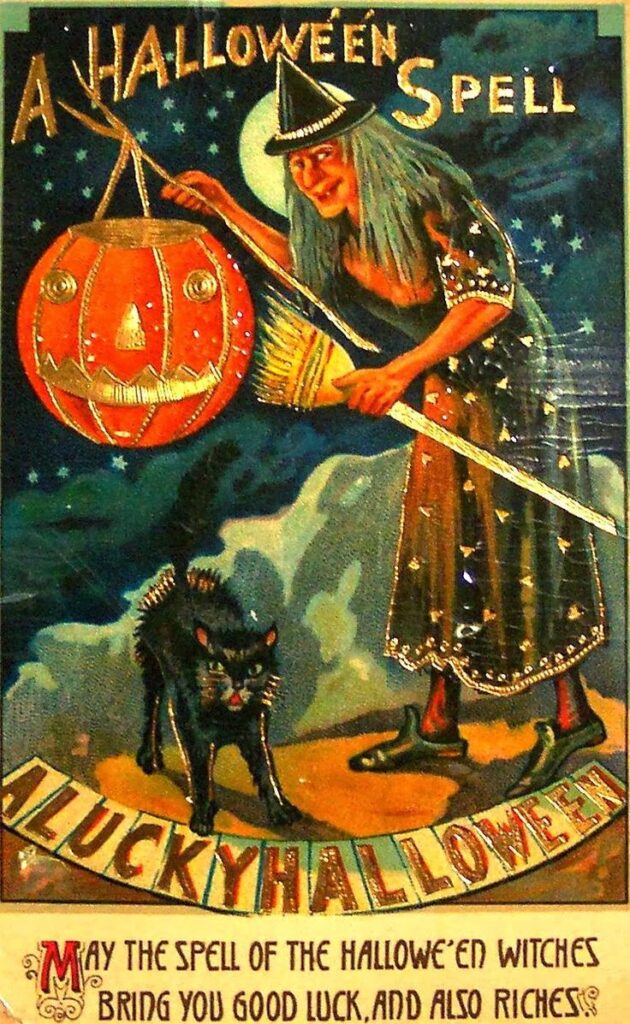
The pumpkin lanterns that light windows and porches on Halloween night are widely known as Jack O’ lanterns. These creations could well have originated with the Celts, when the Druid priest used lanterns in the form of heads to guard against benevolent spirits during Samhain. In Great Britain they have been called punkies, punky lanterns, or bogies. Some people hung the lanterns outside their houses to ward off evil spirits, or use them to line the roadways to lead friends to the harvest.
Jack O’ lanterns haven’t always been made out of pumpkins. In fact, the original creators of vegetable lanterns lived in present-day Great Britain where they didn’t grow pumpkins. Instead they used beets, potatoes, and turnips. When Scotch and Irish people emigrated to the United States in the mid- 1800s, they found pumpkins growing there. Needless to say, they tossed their skimpy turnips aside when they saw how large, round, orange, and carvable the pumpkins were.
An Irish legend, in its many variations, explains the origin of the Jack O’ lanterns. It begins on a Halloween night with Stingy Jack, a notoriously wicked farmer and drunkard, at a local pub drinking. He gets so drunk that his soul begins to leave his body, and the devil appears to come and claim it. Jack suggests they have a drink before he goes with the devil, and the devil agrees but says he has no money. Jack tells the devil to turn into a sixpence, and then turn back after paying. The devil does so but Jack snatches the coin from the counter and pockets it, knowing the devil cannot leave because in his pocket is a silver cross which, according to superstition, prevents the devil from escaping. Jack makes him promise to leave for a year, and the devil agrees and is freed.

Next Halloween, Jack runs into the devil on a lonely country road. An apple tree nearby inspires Jack to suggest that he and the devil each have an apple, but the devil says the fruit is too high on the tree to reach. Jack suggests that the devil stand on his shoulders, and carves a cross on the trunk of the tree to trap the devil again. Jack makes the devil promise to leave him alone for good this time, and the devil desperately agrees.
But before next Halloween, Stingy Jack dies. He was turned away from heaven for being a miser, so he tried the gates of hell. The devil had promised not to take Jack’s soul, so he sent him away. But it was dark down there, and Jack said he couldn’t see his way out. The devil threw him a glowing coal from hell’s furnace, which Jack put inside a turnip he had been chewing on. Since then, Jack, unwelcome in heaven and hell, has been roaming the face of the earth. Turnip lanterns with candles inside them became known as “Jack O’ lanterns ” after Jack.
In the tradition of the Celtic Halloween, pumpkins and turnips are placed in windows and on porches to lead the spirits back to their home, where friends and family are waiting to greet them with good food and hospitality.
